

The Ten Thousand Doors of January
Synopsis
In the early 1900s, a young woman named January discovers a mysterious book that tells her about Doors—passages to other worlds—and her own impossible place in a world of secrets and power. A lyrical story about the magic of words, the pull of other worlds, and the cost of belonging.
Tropes
Awards
Tone
Content Warnings
Readers Also Enjoyed
The Golem's Eye
Jonathan Stroud
Walk the Wild With Me
Rachel Atwood

Harry Potter and the Philosopher's Stone
J.K. Rowling
Drums of Autumn
Diana Gabaldon
Ptolemy's Gate
Jonathan Stroud
A Quest of Sea and Soil
S. Usher Evans
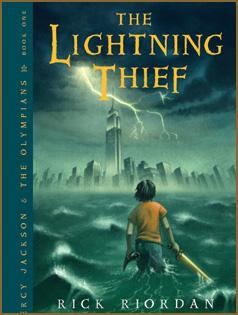
The Lightning Thief
Rick Riordan
The Mortal Word
Genevieve Cogman
The Magician's Nephew
C.S. Lewis
The Golden Compass
Philip Pullman
Heir to Sevenwaters
Juliet Marillier
Prince Caspian Read-Aloud Edition
C. S. Lewis

Trumps of Doom
Roger Zelazny
The Eagle and the Sparrow
Claire Youmans
Heirs of Alexandria
Thomas K. Carpenter
The Tangle Box
Terry Brooks
Prince Caspian Movie Tie-in Edition (rack)
C. S. Lewis
Ink and Bone
Rachel Caine
The Forbidden Library
Django Wexler
The Magician's Land
Lev Grossman
What makes this different
Few fantasy novels dare to make language itself the architecture of their magic, but Alix E. Harrow builds her debut around exactly that premise. The narrative operates on two simultaneous levels — the life January Scaller is living and the book-within-the-book she discovers — and Harrow uses this layered structure to explore how stories don't merely describe reality but actively reshape it. The result is something rare: a portal fantasy that interrogates the very nature of portals, asking who gets to cross thresholds and who gets left behind. The pacing moves like deep water — unhurried but carrying tremendous force beneath the surface. Harrow's prose is genuinely lyrical without sacrificing momentum, and the emotional revelations land with the quiet devastation of something the reader almost knew was coming. This novel belongs in the hands of anyone exhausted by fantasy that mistakes complexity for depth. It is tender, furious, and uncommonly wise about exile, inheritance, and the stubborn human need to find a door when the walls close in.