

The Shadow of the Gods
by John Gwynne
Synopsis
A century has passed since the gods fought and drove themselves to extinction. Now only their bones remain, promising great power to those brave enough to seek them out. As whispers of war echo cross the land of Vigrið, fate follows in the footsteps of three warriors: a huntress on a dangerous quest, a noblewoman pursuing battle fame and a thrall s… A century has passed since the gods fought and drove themselves to extinction. Now only their bones remain, promising great power to those brave enough to seek them out. As whispers of war echo cross the land of Vigrið, fate follows in the footsteps of three warriors: a huntress on a dangerous quest, a noblewoman pursuing battle fame and a thrall seeking vengeance among the mercenaries known as the Bloodsworn. All three will shape the fate of the world as it once more falls under the shadow of the gods.
Perfect for fans of brutal Viking-inspired worlds and sprawling multi-POV dark fantasy epics.
Tropes
Tone
Content Warnings
Readers Also Enjoyed
The Daylight War
Peter V. Brett
The Broken Empire
Mark Lawrence
Godsgrave
Jay Kristoff
The Rage of Dragons
Evan Winter
The Liar's Key
Mark Lawrence
The Poppy War
R.F. Kuang
The Thousandfold Thought
R. Scott Bakker
The Bone Ships
RJ Barker
The Written
Ben Galley
The Way of Kings
Brandon Sanderson
The Crippled God
Steven Erikson
The Fury of the Gods
John Gwynne
Last Argument of Kings
Joe Abercrombie
A Time of Courage
John Gwynne
Holy Sister
Mark Lawrence
A Quest of Sea and Soil
S. Usher Evans
The Autumn Republic
Brian McClellan
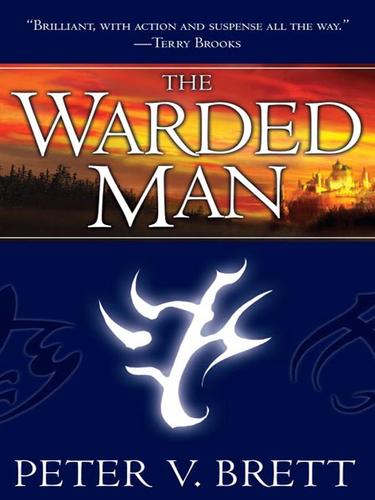
The Warded Man
Peter V. Brett
The Burning God
R.F. Kuang
Wizard's First Rule
Terry Goodkind
Reading experience
The tone balances grim determination with a stark sense of fatalism, creating an atmosphere of relentless struggle. Readers will encounter raw ambition, profound loss, and a pervasive undercurrent of impending conflict that shapes every interaction. At a 4/5 darkness intensity, the narrative unflinchingly embraces graphic content, bleak themes, and significant suffering as integral to its brutal world. This darkness is purposeful, deeply informing the characters' desperate struggles and the harsh, unforgiving landscape they inhabit. Propulsive in structure, the narrative steadily builds tension through multiple converging perspectives, each fraught with peril. The emotional rhythm is one of sustained intensity, punctuated by visceral action sequences and moments of grim consequence that resonate long after.
What makes this different
What sets John Gwynne's Norse-inspired epic apart is its unflinching structural choice to build a world where divinity is already dead. The gods of Vigrið are not distant or silent — they are gone, their colossal bones scattered across the land like monuments to catastrophe. That absence becomes the engine of everything: power struggles, desperate quests, and a mythology that feels simultaneously ancient and viscerally alive. Gwynne draws deeply from Norse tradition without being enslaved to it, crafting something that carries genuine weight. The Bloodsworn Saga opens with controlled momentum, weaving three distinct perspectives that each carry their own texture — a tracker's precision, a warrior's hunger for glory, a thrall's slow-burning fury. The tone is brutal but never gratuitous, grounded in character loyalty and consequence rather than spectacle alone. Readers who have grown tired of gods-as-background-decoration will find a compelling inversion here. The divine legacy is archaeology, inheritance, and threat all at once — and Gwynne wields it masterfully.
Who is this for
"The Shadow of the Gods" is an excellent choice for readers who enjoy sprawling multi-POV narratives set in brutal worlds, those who appreciate Norse-inspired mythology combined with dark fantasy elements, and individuals seeking morally complex characters fighting for survival and vengeance. It will particularly appeal to readers who crave visceral action sequences and world-shattering stakes. Fans of the gritty realism and multi-faceted character work found in Joe Abercrombie's "The First Law" series will find much to admire within "The Shadow of the Gods". Likewise, those who enjoy the dark, mythological scope of works reminiscent of Bernard Cornwell's historical epics, but with a fantastical twist, will feel right at home. However, readers who prefer their fantasy with clear-cut heroes and optimistic themes might find "The Shadow of the Gods" challenging, as it delves deep into grimdark territory with a focus on harsh realities, violence, and morally ambiguous choices. Those seeking a lighthearted adventure will likely be disappointed by its unflinching exploration of a dying world and its brutal inhabitants.
FAQ
Can I read The Shadow of the Gods as a standalone? +
No, it's the first book in John Gwynne's The Bloodsworn Saga. While it tells a complete story arc for its main characters, it definitely sets up future installments and leaves threads open.
Is The Shadow of the Gods really grimdark? How violent is it? +
Yes, it absolutely embraces grimdark and dark fantasy. Expect frequent, visceral violence, morally ambiguous characters, and a brutal world. It definitely earns its 4/5 darkness rating.
How long does it take to read The Shadow of the Gods? +
At 496 pages, it's a solid epic fantasy length. For an average reader, you can expect to spend around 10-15 hours with it. The pacing is quite good once you get into it.
Does The Shadow of the Gods have a slow start? +
The book introduces three separate POVs, so the beginning can feel a little slower as you get to know each storyline. However, the pace generally picks up well before the halfway mark, building to an exciting finish.
Is this like John Gwynne's The Faithful and the Fallen series? +
Yes, if you're a fan of Gwynne's previous work, you'll recognize his signature style. It features brutal, well-choreographed action, Norse-inspired world-building, and compelling character journeys, just in a new setting.